Within the framework of the international educational project SPACE_READY — Digital Course for University Analog Astronauts Space Trainings (https://spaceready.eu/), implemented with the support of the Erasmus+ KA220-HED programme, students of Vasyl Stefanyk Carpathian National University have begun taking part in the first of a planned series of pilot analogue space missions 
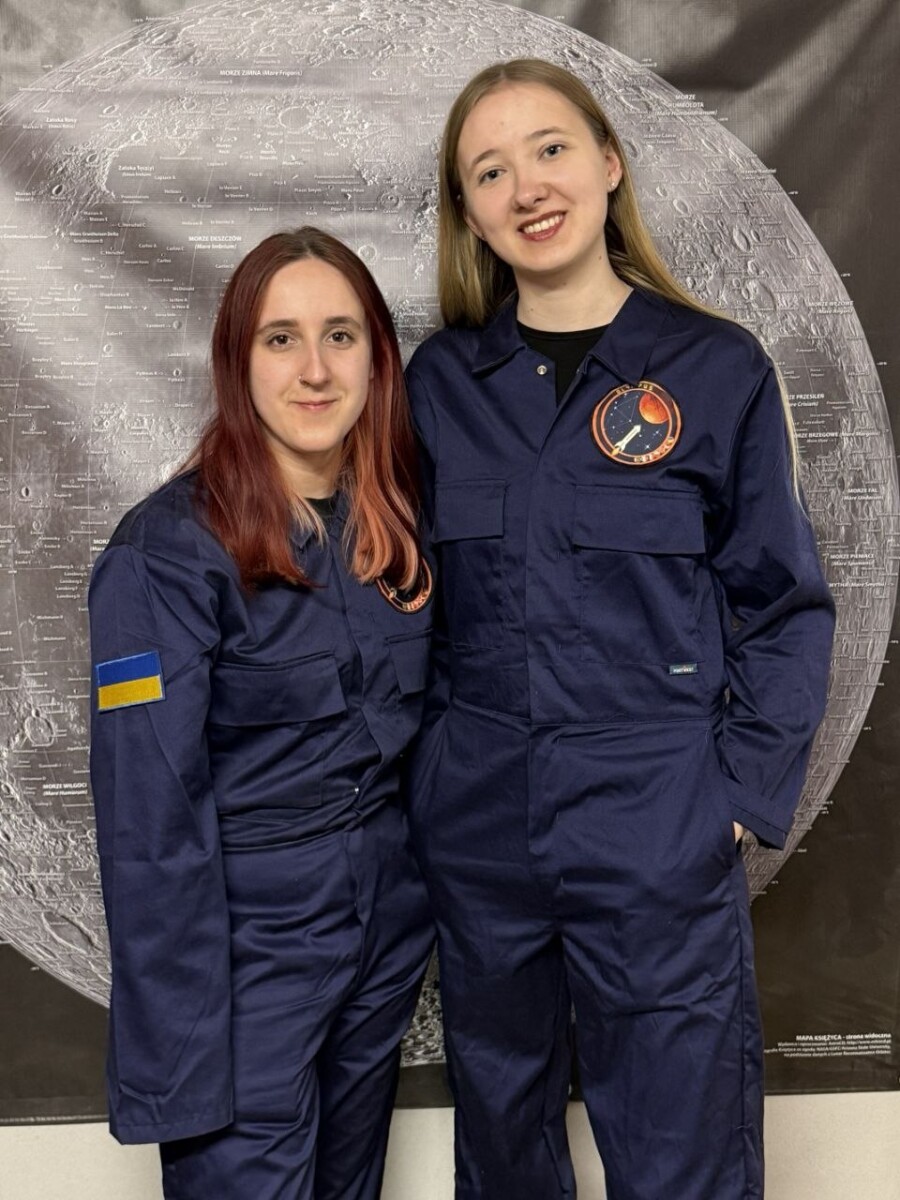
Representing Carpathian University are Master’s students of the Faculty of Physics and Technology, Iryna Kamin and Liubov Babinchuk. They have joined an international team of students undergoing scientific and educational training in conditions closely resembling the scenarios of crew work during future space missions 
The analogue missions are taking place at the Analog Astronaut Training Center (AATC) habitat in Poland , near Kraków, in the Rzepiennik region. This is a specialised infrastructure designed to simulate conditions of isolation, team interaction, the performance of scientific experiments, work with equipment
 , and communication
 with the Mission Control Centre. Such missions enable students not only to gain new knowledge about space research, but also to test their own skills in conditions of limited resources, strict regulations, team responsibility, and interdisciplinary cooperation.
, near Kraków, in the Rzepiennik region. This is a specialised infrastructure designed to simulate conditions of isolation, team interaction, the performance of scientific experiments, work with equipment, and communication with the Mission Control Centre. Such missions enable students not only to gain new knowledge about space research, but also to test their own skills in conditions of limited resources, strict regulations, team responsibility, and interdisciplinary cooperation.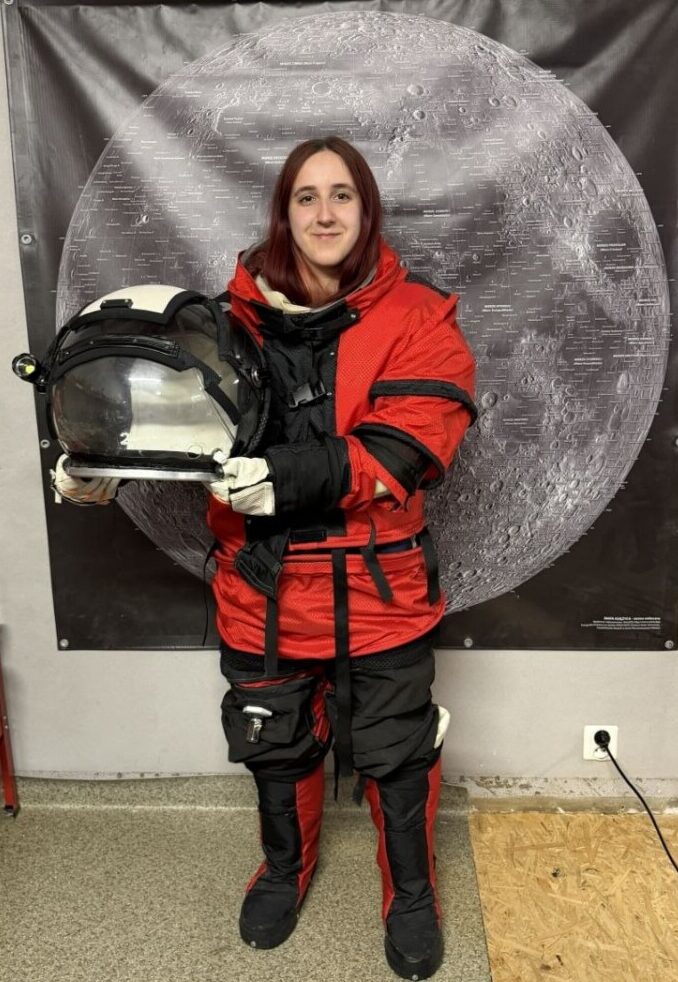
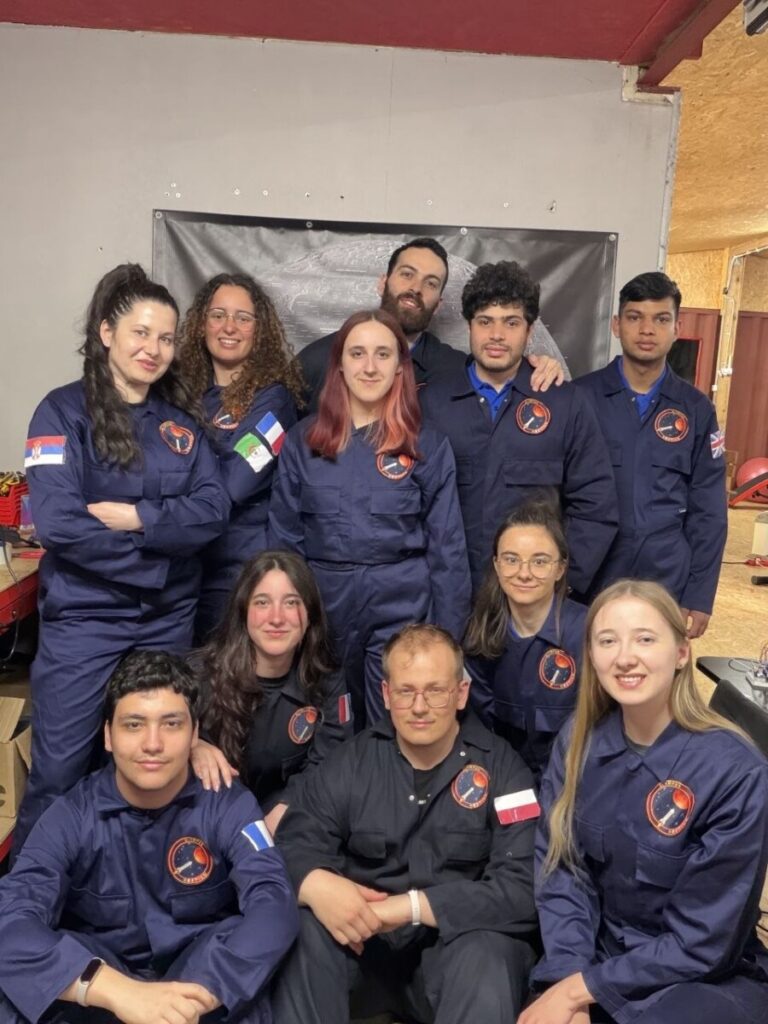
Students from the project’s partner universities are also involved in the analogue missions: AGH University of Krakow (Poland), Université de Versailles Saint-Quentin-en-Yvelines (France ), Poliarte Politecnico delle arti (Italy
 ), and Vasyl Stefanyk Carpathian National University (Ukraine
 ). This format brings together young people from different European educational environments around a shared theme: preparation for future space research, the development of STEM education, digital learning tools, and practical training for analogue astronauts
), Université de Versailles Saint-Quentin-en-Yvelines (France), Poliarte Politecnico delle arti (Italy), and Vasyl Stefanyk Carpathian National University (Ukraine). This format brings together young people from different European educational environments around a shared theme: preparation for future space research, the development of STEM education, digital learning tools, and practical training for analogue astronautsFor Carpathian University, student participation in the SPACE_READY project is an important step in developing systematic cooperation with European partners in the fields of space education, materials science, digital learning, and research into extreme environments The project offers students the opportunity to work in international crews, carry out research tasks, adapt to an English-speaking professional environment, and gain experience that cannot be acquired solely in a classroom setting.
The project offers students the opportunity to work in international crews, carry out research tasks, adapt to an English-speaking professional environment, and gain experience that cannot be acquired solely in a classroom setting. Analogue space missions are one of the practical stages of the SPACE_READY project. Their results will be used to test and improve the digital training course for candidates preparing for analogue space missions, the development of which has involved academic staff from the Department of Applied Physics and Materials Science of our university