

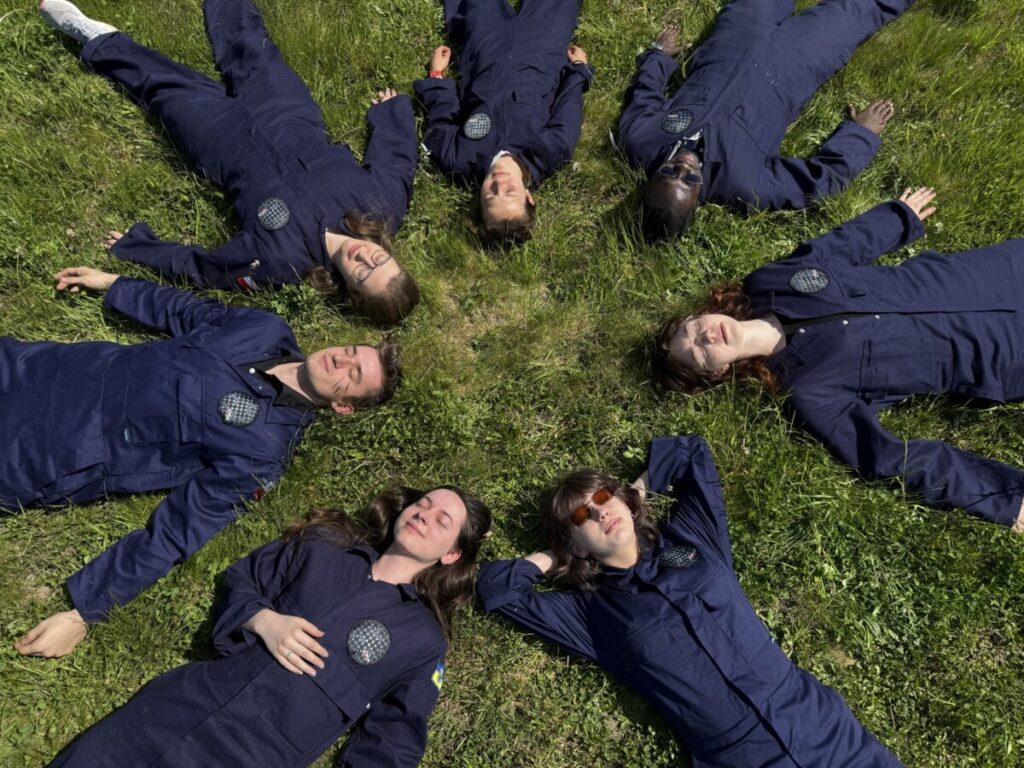
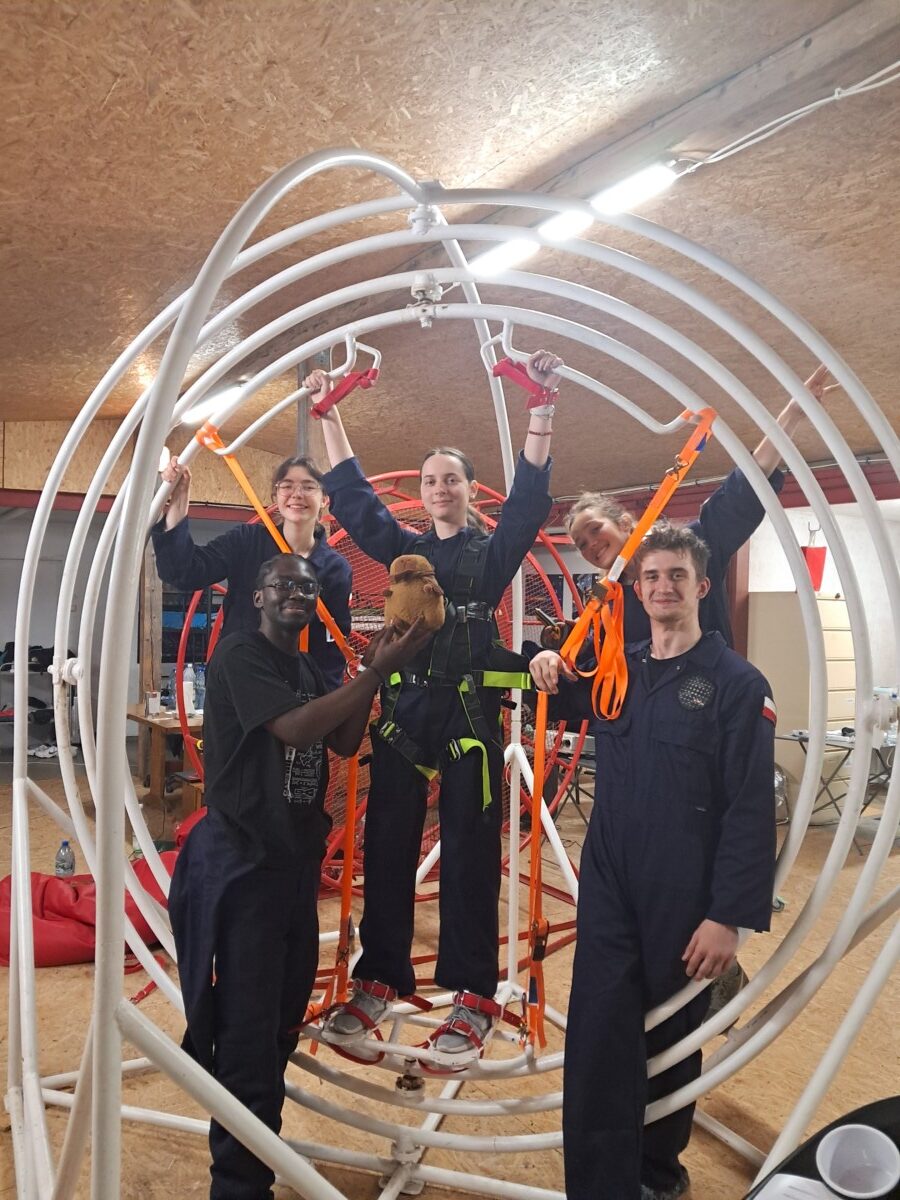
As part of the international educational project SPACE READY – Digital Course for University Analog Astronauts Space Trainings, implemented with the support of the Erasmus+ KA220-HED programme, students of Vasyl Stefanyk Carpathian National University continue to participate in a series of pilot analogue space missions.
The first mission, involving students of the Faculty of Physics and Technology, Iryna Kamin and Liubov Babinchuk, marked the beginning of the University’s practical involvement in the programme of analogue research at the Analog Astronaut Training Center (AATC) habitat in Poland, near Kraków.
In the second part of the programme, students of the Faculty of Natural Sciences, majoring in Biochemistry, Viktoriia Zadarko and Khrystyna Slobodian, joined the analogue mission. Their participation broadens the interdisciplinary dimension of the SPACE_READY project, as, alongside materials science and engineering tasks, the programme now includes biological and biochemical research related to the functioning of living systems in a closed environment.
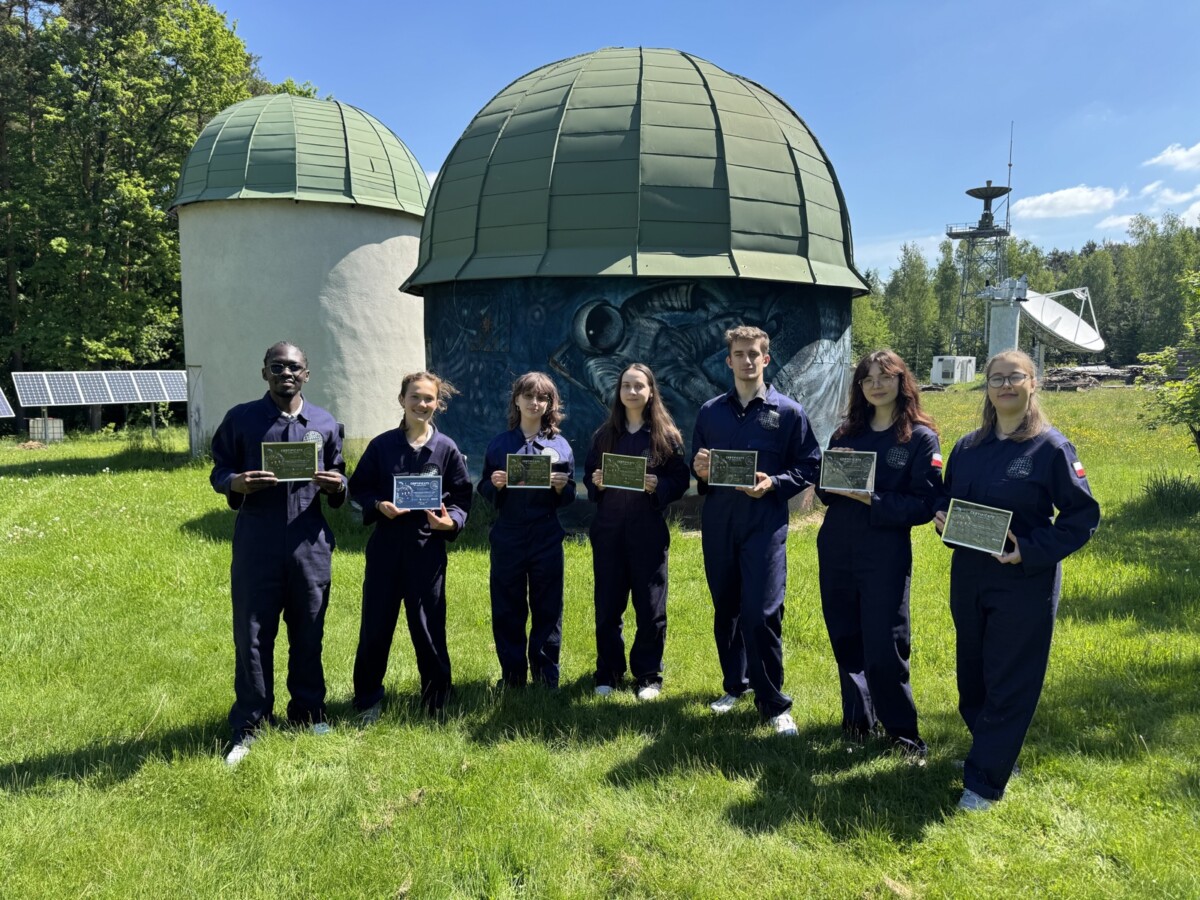
During the mission, a research programme is being carried out using plant material prepared under sterile in vitro conditions. Three plant objects – Gynura procumbens, Stevia rebaudiana and Rosa sp. – were transferred to the habitat as model systems for studying closed life-support environments.
In the long term, such research is linked to issues of regenerative life support, plant cultivation under controlled conditions, the assessment of stress factors in confined environments, and preparation for long-duration space missions.
For Biochemistry students, this is an opportunity to work on real research tasks at the intersection of biotechnology, plant physiology, extreme biology and space education.
The participation of Viktoriia Zadarko and Khrystyna Slobodian in the SPACE_READY programme forms part of the development of an interdisciplinary environment at Carpathian National University, aimed at preparing students to work in international research and educational teams.
Analogue missions create conditions in which students not only acquire new knowledge, but also learn to work according to research protocols, follow safety procedures, conduct observations, record results and interact in an English-speaking international environment.
This strengthens the University’s position in the European educational and research area and opens up new opportunities for student mobility, the development of STEM education, interdisciplinary research and the practical training of young researchers.
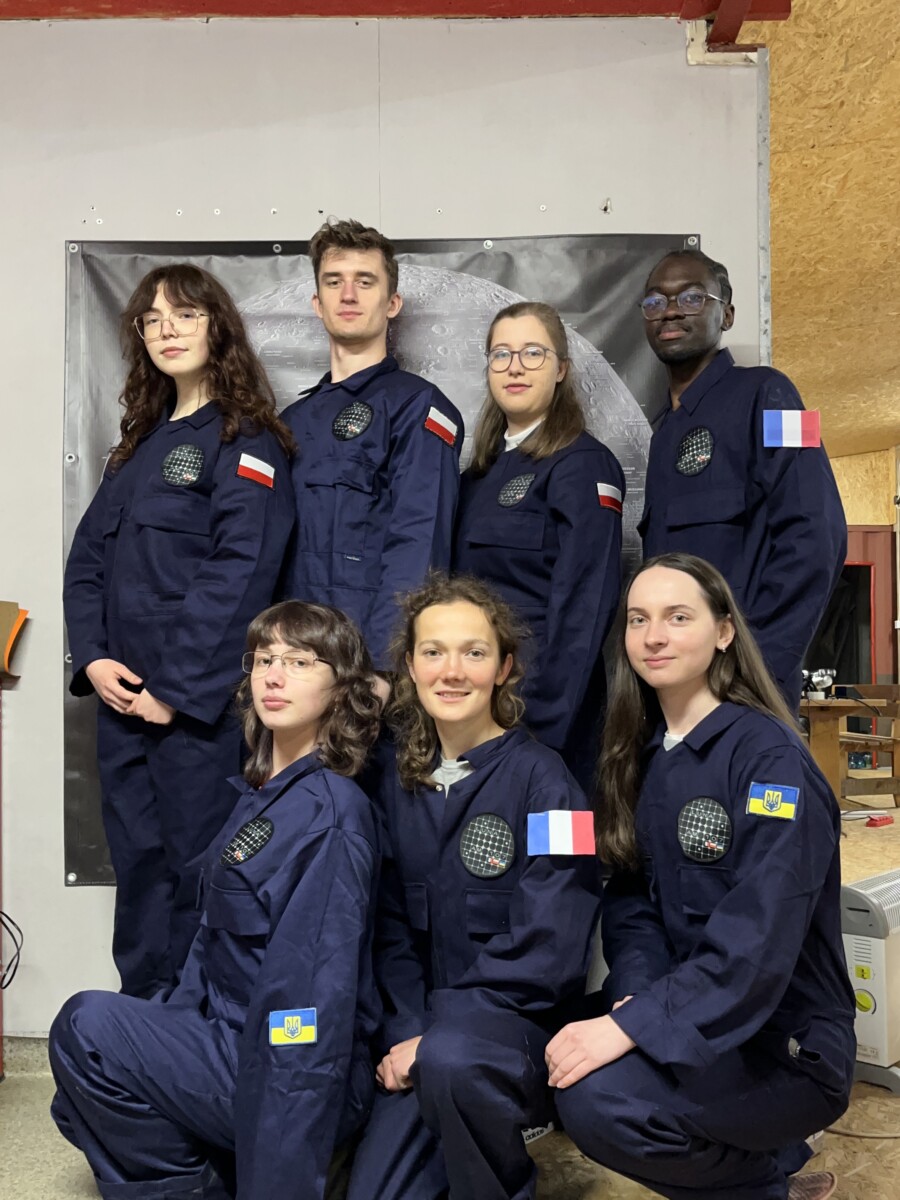
The SPACE_READY project is a logical continuation of our University’s cooperation within the framework of the European initiative UNIVERSEH – European Space University for Earth and Humanity