
Ultra-durable and efficient nano-engineered fuel cells (URANUS).
URANUS aims to investigate and increase the performance of hydrogen solid oxide fuel cells (SOFC), fabricated by using electrodes based on nanoporous and nanodispersed materials. An increase in the power density for SOFC is possible by increasing the performance of single elements in the device, nanostructuring the electrodes to promote faster redox reactions.
URANUS will demonstrate the advantages of nanostructured materials for the fabrication of SOFC. Due to the nano-engineering of both anode and cathode materials, we aim at increasing the performances of SOFC when hydrogen is used as fuel, in terms of conversion efficiency, power delivery, long-term stability, and operating temperature.
29.04.2026
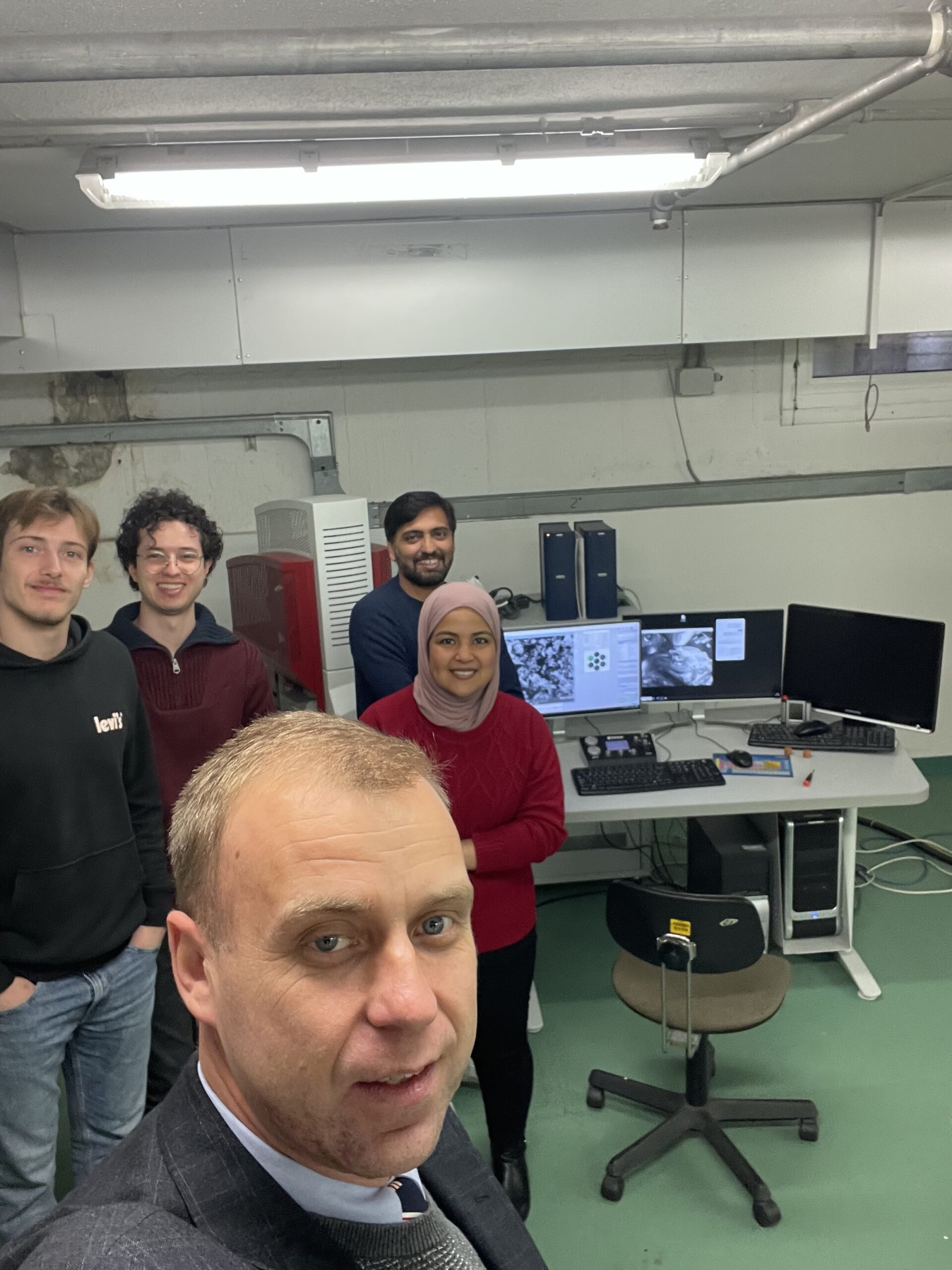
From April 20 to 26, 2026, the participants of the international NATO research project “Ultra-durable and efficient nano-engineered fuel cells” (URANUS) paid a working visit to the University of Brescia (Italy).
During the visit, the project participants became acquainted with the modern scientific equipment and experimental capabilities of the university laboratories used for research in the fields of functional materials, electrochemical systems, and hydrogen energy technologies.
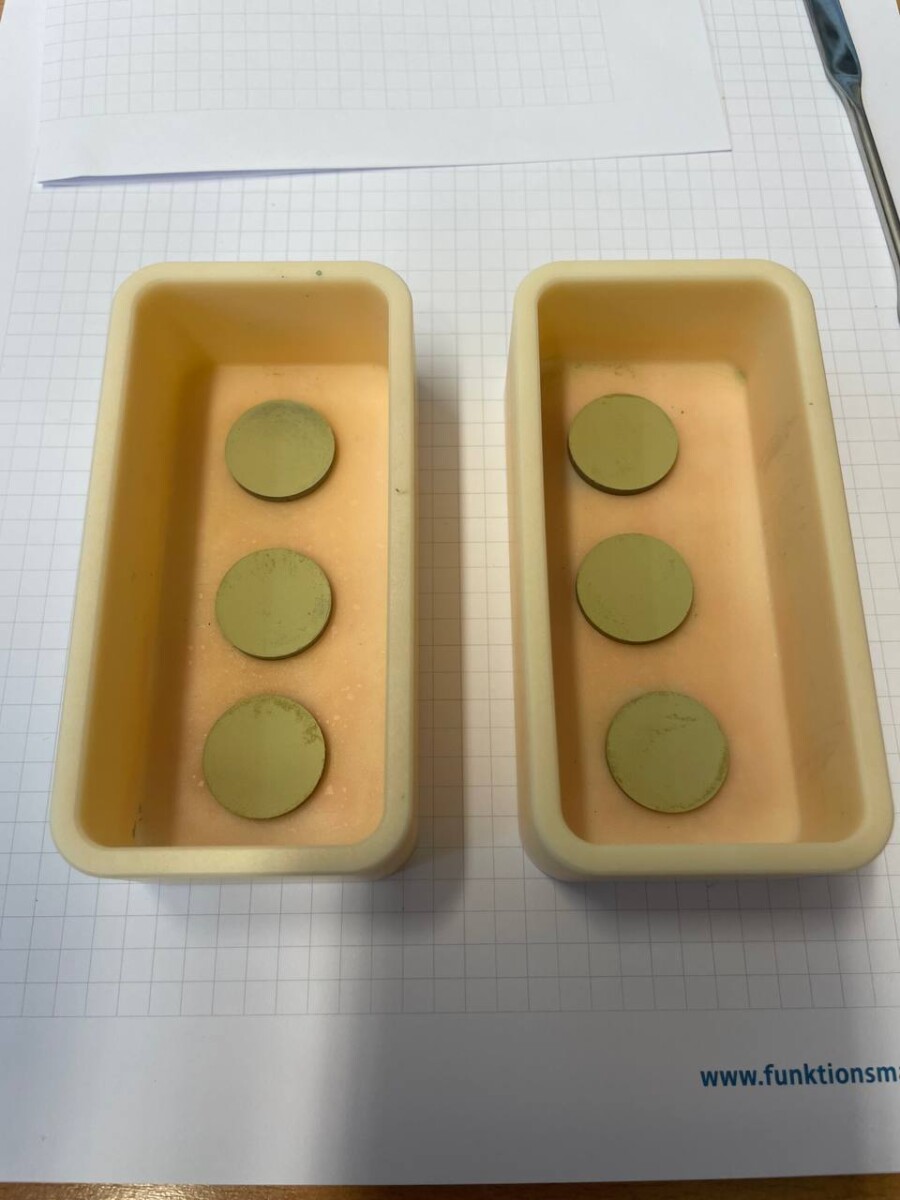
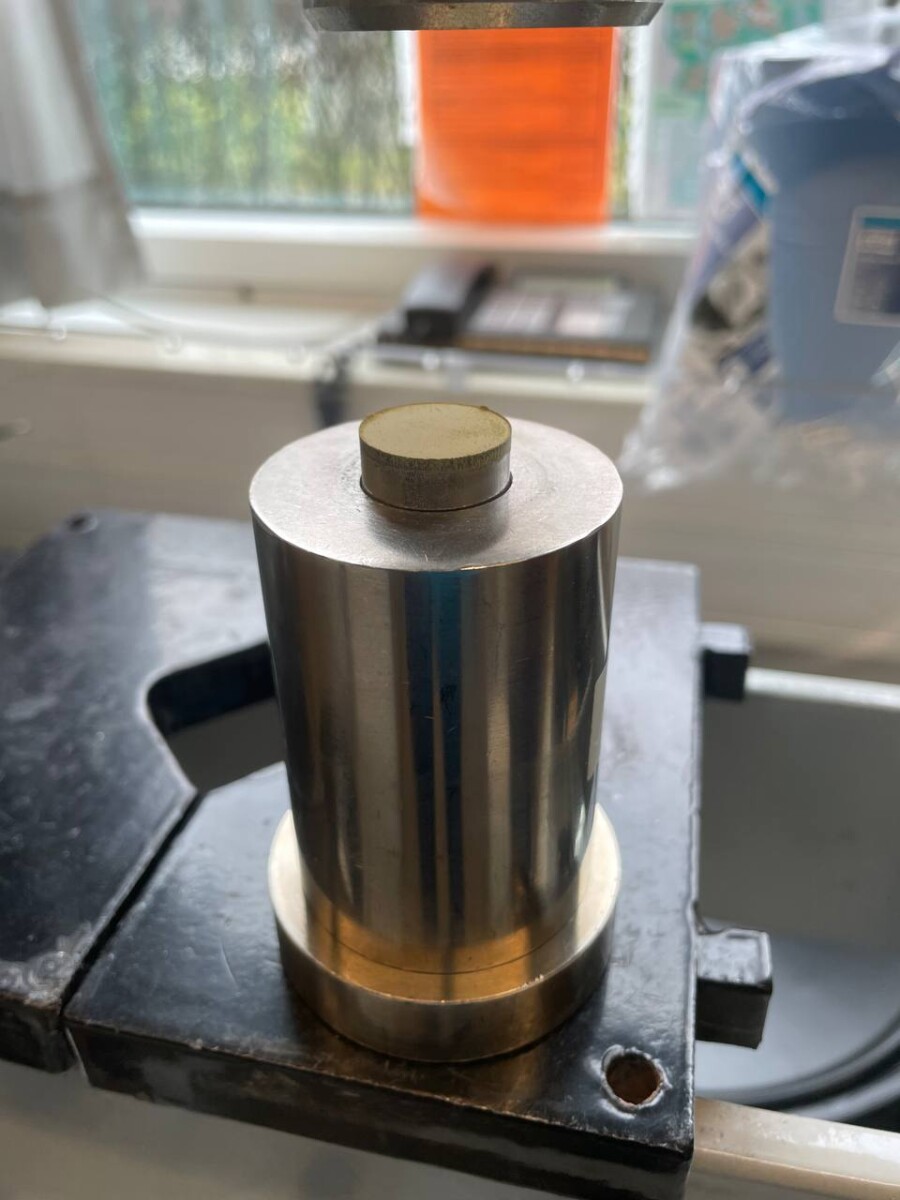
As part of the joint scientific activities, cathodes based on previously synthesized materials for solid oxide fuel cells (SOFCs) were fabricated, and their specific energy characteristics were investigated. The obtained results will contribute to the evaluation of the efficiency of the developed materials and their potential application in high-performance electrochemical energy systems.
The working visit contributed to strengthening international scientific cooperation between Vasyl Stefanyk Сarpathian National University and the University of Brescia, promoting the exchange of experience in materials science, and advancing modern hydrogen energy technologies.
03.03.2026
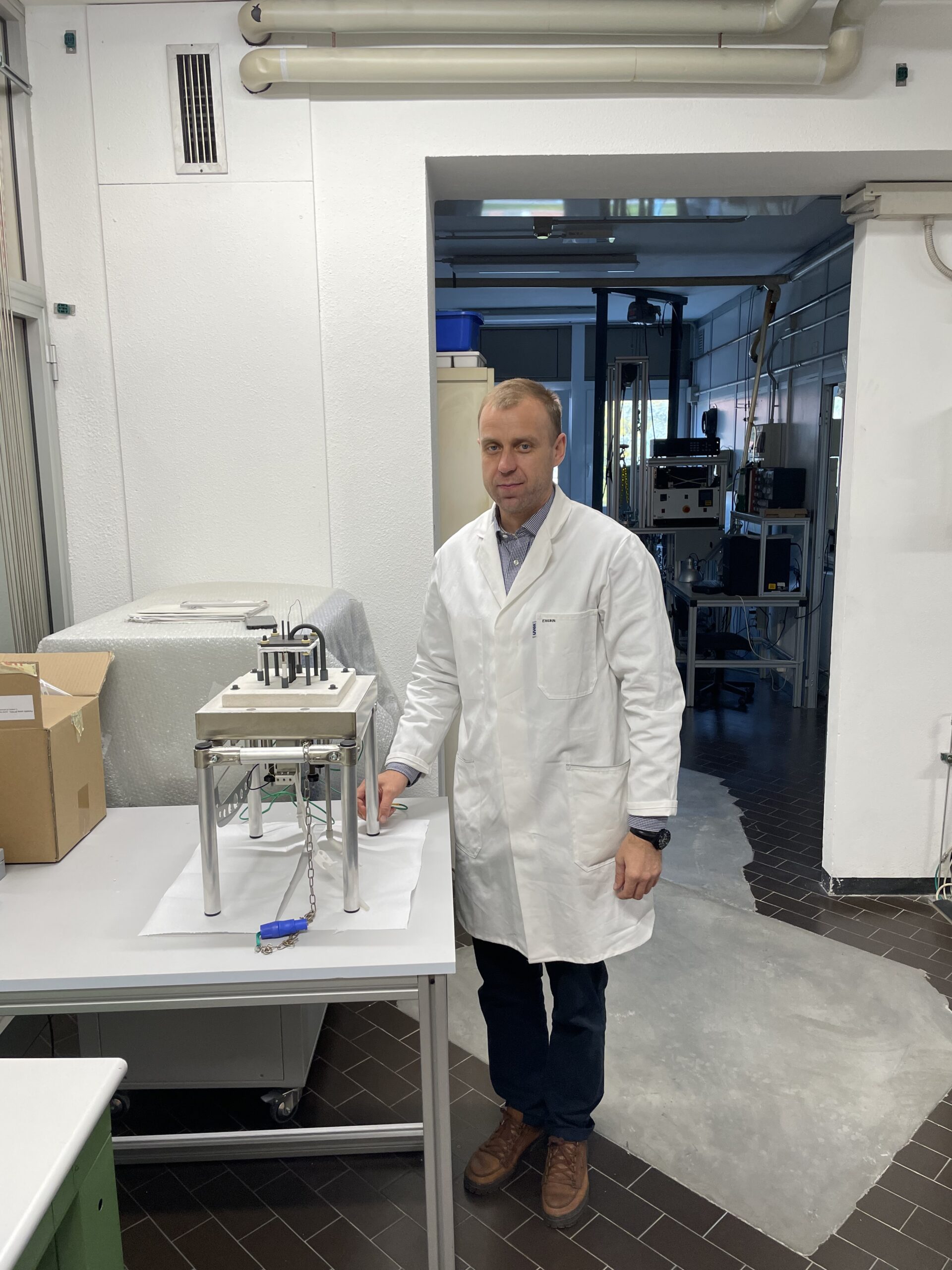
From January 31 to February 28, 2026, Pavlo Kolkovskyi, leading specialist at the Educational and Research Center for Materials Diagnostics of Vasyl Stefanyk Сarpathian National University and senior researcher at the V. I. Vernadsky Institute of General and Inorganic Chemistry of the National Academy of Sciences of Ukraine, undertook a working visit to the University of Bayreuth (Germany).
The working visit was carried out within the framework of the international research project “Ultra-durable and efficient nano-engineered fuel cells” (URANUS) No. G6166, implemented under the NATO Science for Peace and Security Programme in collaboration between the University of Brescia (Italy) and Vasyl Stefanyk Сarpathian National University.
During the internship, Pavlo Kolkovskyi mastered the synthesis methodology for nanodispersed yttria-stabilized zirconia (YSZ), a key material used in the fabrication of electrolytes for solid oxide fuel cells (SOFCs).
Yttria-stabilized zirconia is characterized by high oxygen-ion conductivity, as well as thermal and chemical stability, which ensures its wide application in electrochemical energy systems, particularly in solid oxide fuel cells.
During the research stay, the technological aspects of synthesizing nanodispersed powders were studied, along with the principles of controlling the structural characteristics of materials. Practical approaches to obtaining functional ceramic materials for energy applications were also mastered.
The acquired knowledge and practical experience will be applied in further research aimed at the development of materials and components for electrochemical devices and hydrogen energy technologies within the framework of the project “Ultra-durable and efficient nano-engineered fuel cells” (URANUS).
22.02.2026
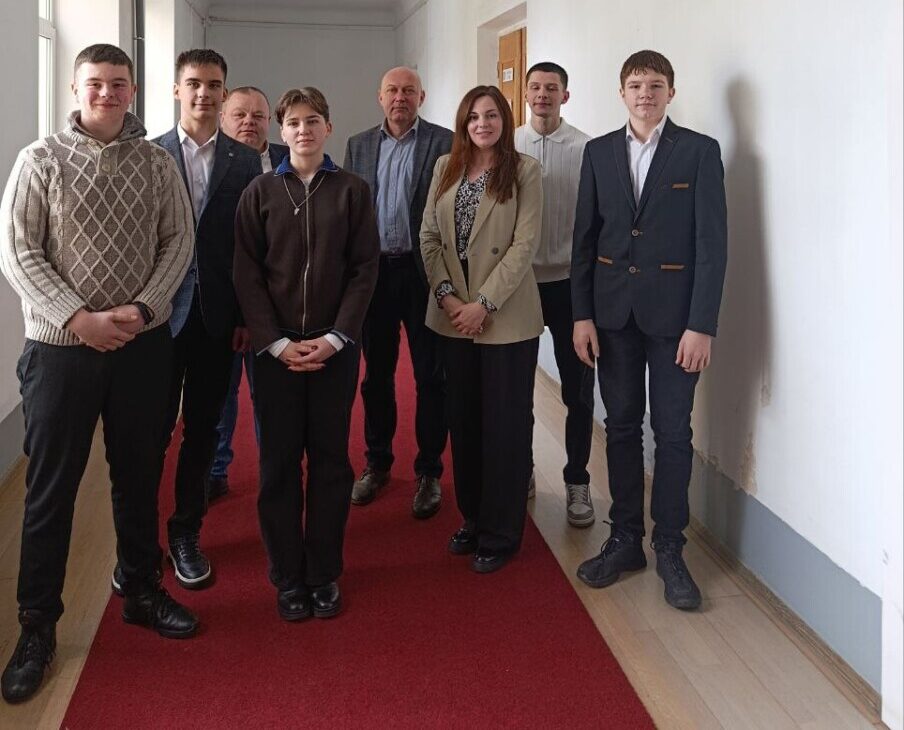
On February 22, 2026, the second stage of the All-Ukrainian competition for the defense of research projects by students—members of the Minor Academy of Sciences of Ukraine—was held in the Ivano-Frankivsk region. The jury of the Applied Physics section included executors of the NATO project “Ultra-durable and efficient nano-engineered fuel cells” (URANUS): Bohdan Rachii, Roman Lisovskyi, and Nataliia Ivanichok.
Five highly engaging research projects in the field of Applied Physics were presented for defense. The presented studies addressed relevant problems in modern science and engineering, sparking lively discussions among both participants and members of the jury. All works were highly evaluated and awarded prize-winning places.
After the competition, the students were organized a visit to the scientific laboratories of the Department of Applied Physics and Materials Science. During the visit, participants were introduced to current research directions in the field of functional materials. Special attention was paid to the implementation of the international research project “Durable and Efficient Nanotechnology-Based Fuel Cells” (URANUS), which is carried out in the department’s laboratories.
The participants were shown the operating principle of solid oxide fuel cells, as well as the equipment and instruments used for the fabrication and testing of fuel cell materials. They were also introduced to the prospects for hydrogen energy development and modern approaches to creating energy-efficient electrochemical systems.
The organization of such scientific events is important for the development of research competencies among school students, the formation of a scientific worldview, and the popularization of science among learners. Students’ participation in research activities contributes to increasing their motivation for further professional and scientific development.
07.10.2025
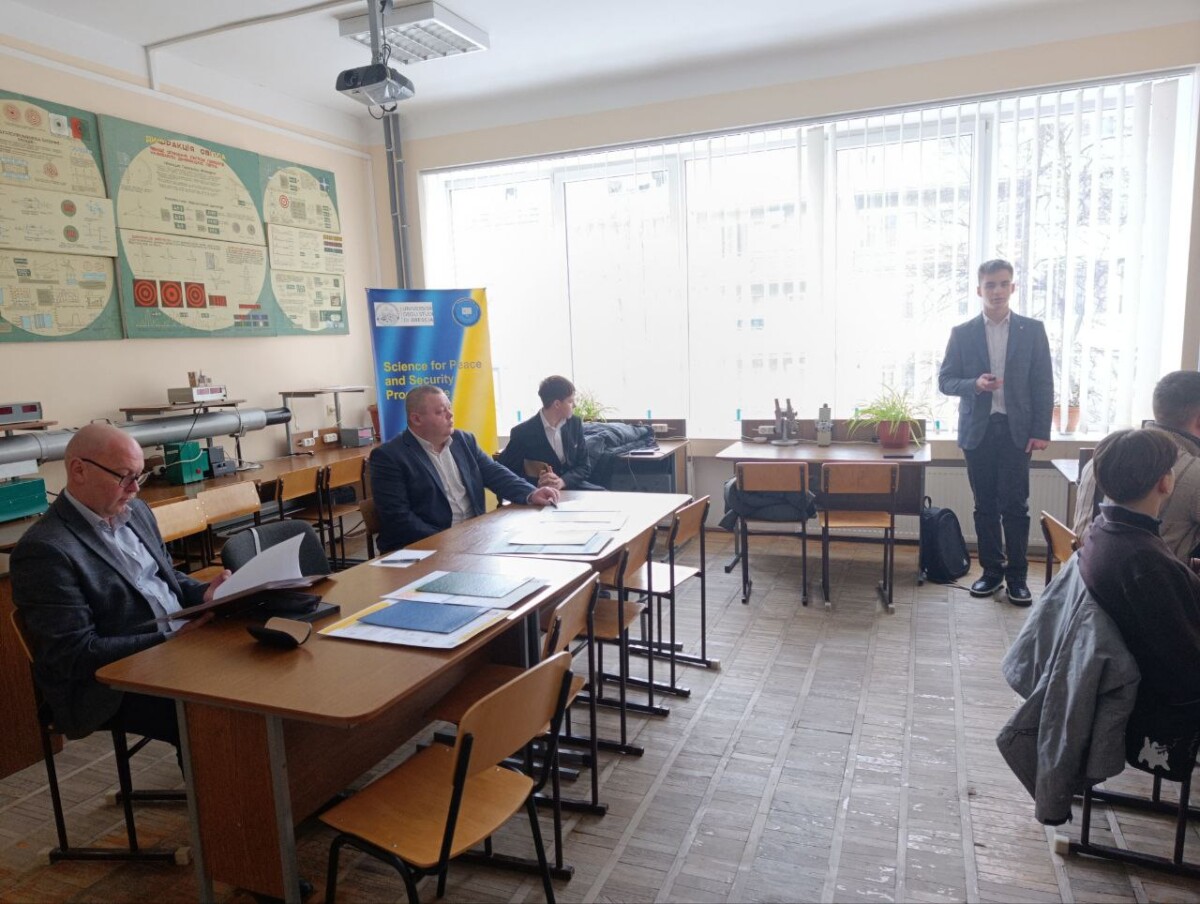
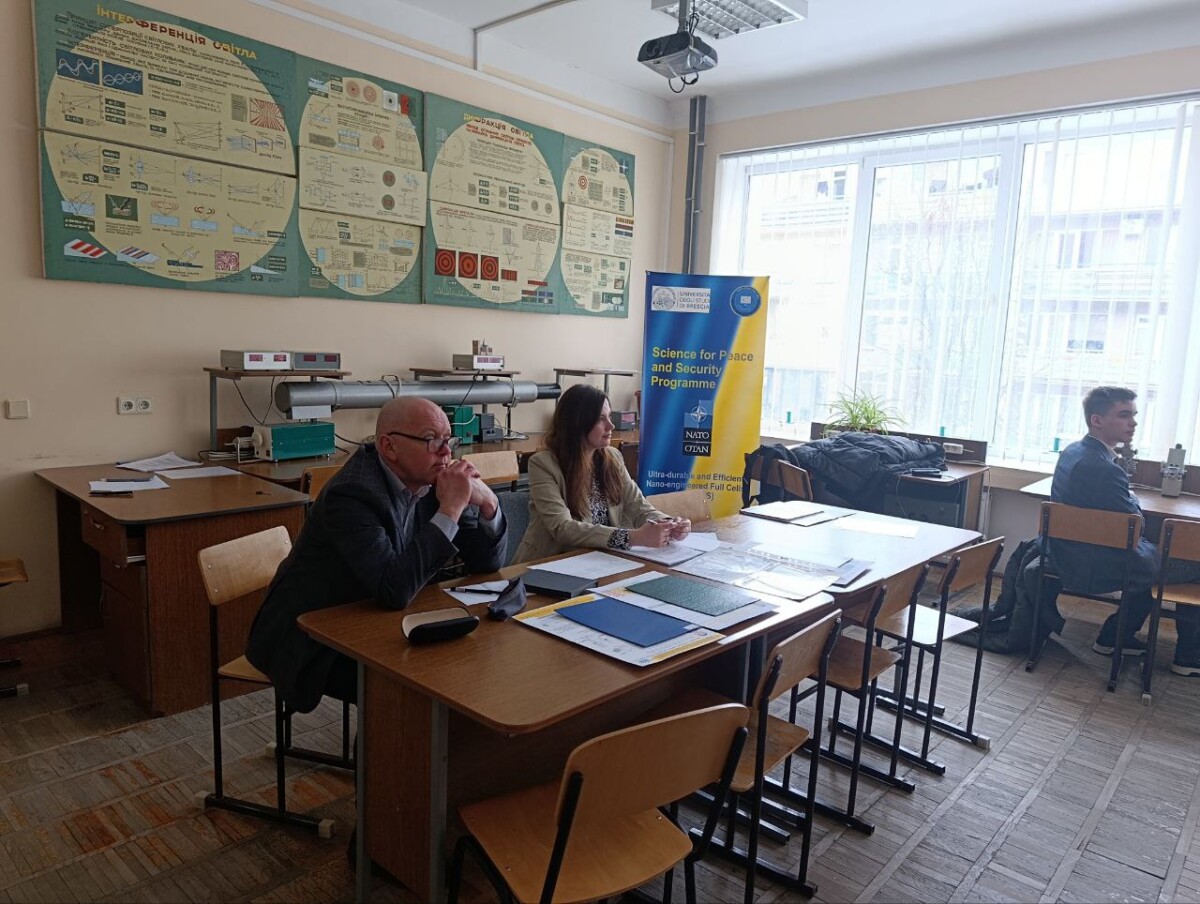
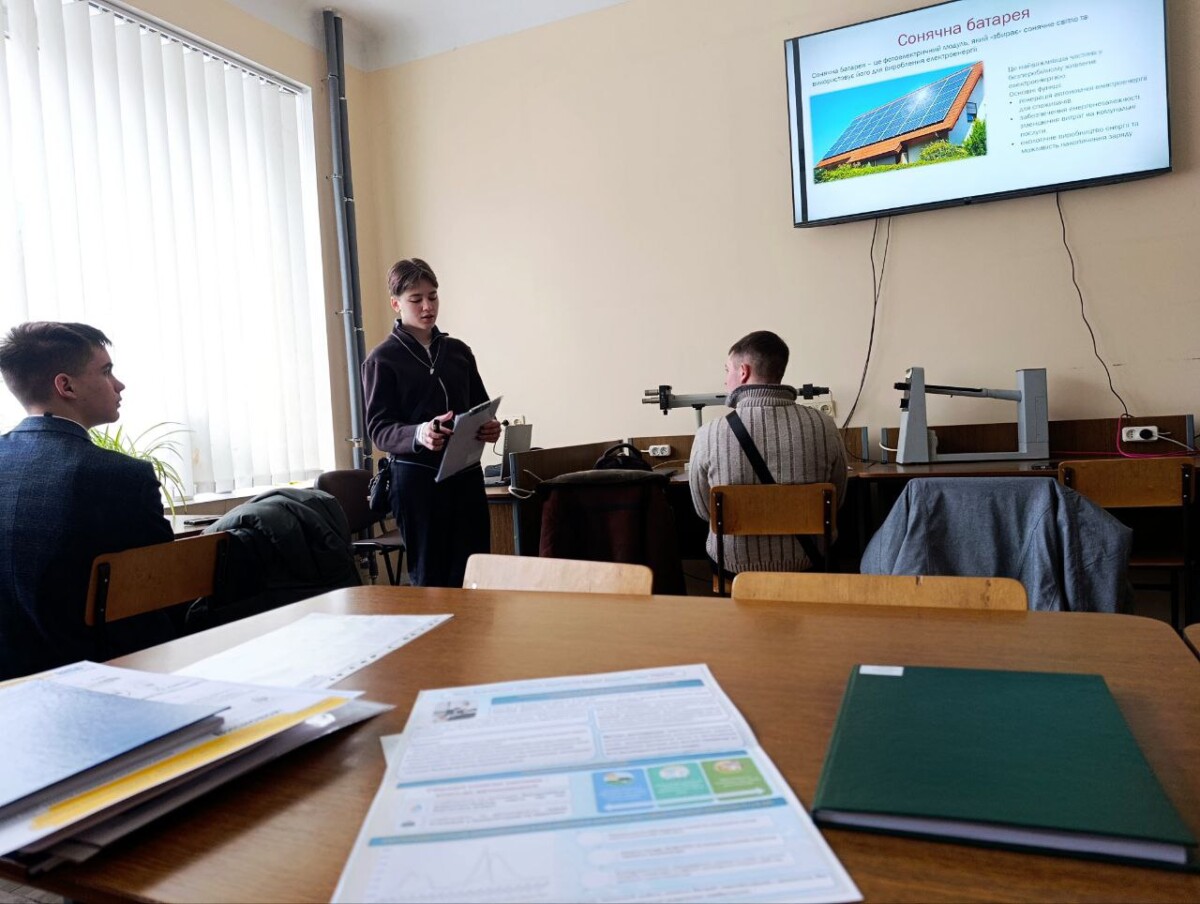
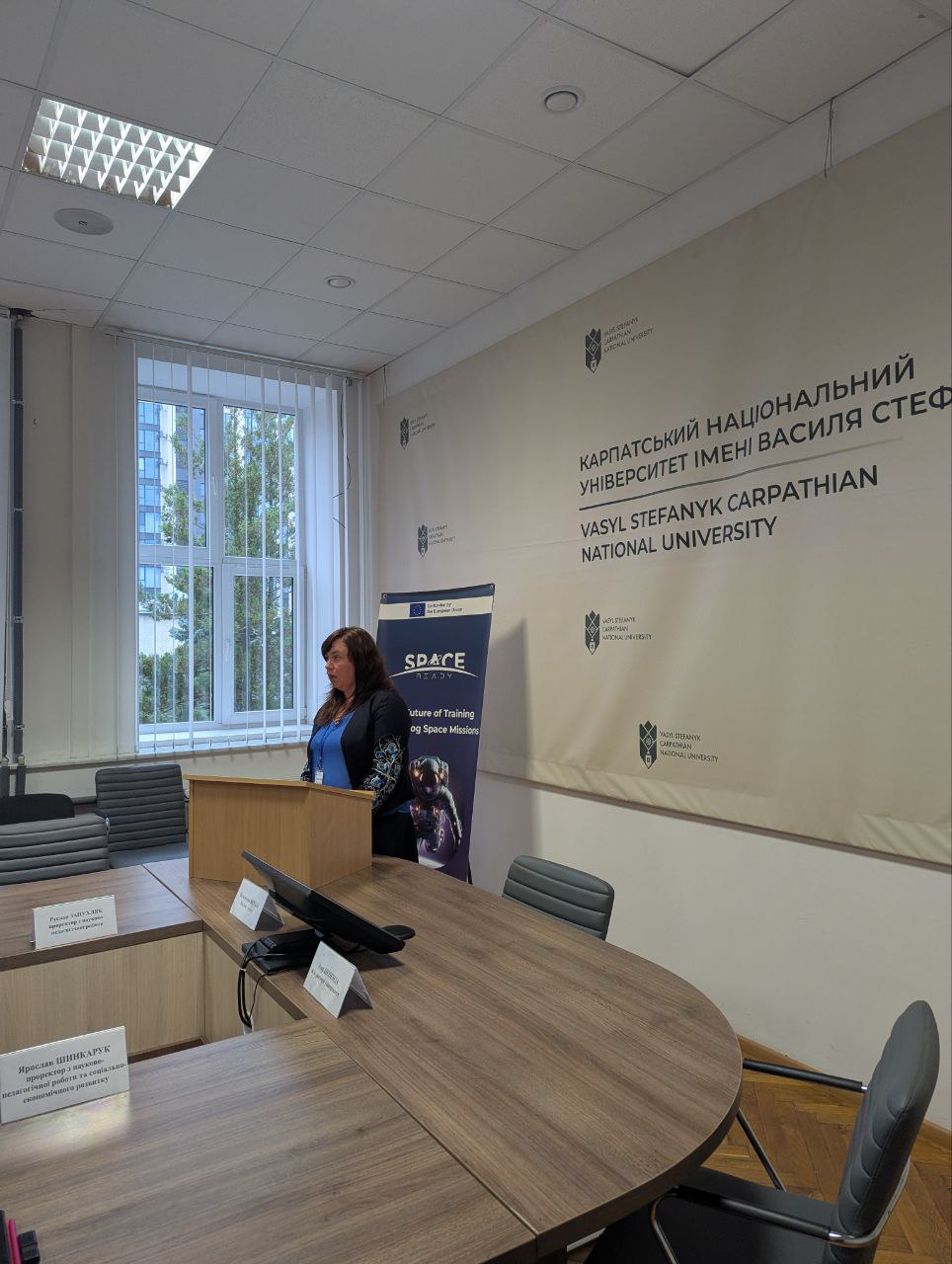
On October 7, 2025, at the XX International Freik Conference on Physics and Technology of Thin Film and Nanosystems, Volodymyra Boichuk (Vasyl Stefanyk Carpathian National University) delivered a presentation titled “Solid Oxide Fuel Cell: Space Missions Perspectives.”
The results demonstrate how high-temperature solid oxide fuel cells can provide reliable power for surface operations and long-duration missions, integrate thermally with life-support systems, and interface with ISRU-derived fuels—directly reinforcing the SpaceReady project’s focus on practical technologies for analog astronauts and future space habitats. Such appearances are an important part of project dissemination.
04.05.2025
Within the framework of the project “Ultra-Durable and Efficient Nanotechnology Fuel Cells” (URANUS) No. G6166, implemented within the framework of the NATO Science for Peace and Security program with the participation of the University of Brescia (Italy) and Vasyl Stefanyk Precarpathian National University, an Autolab PGSTAT302N galvanostat/potentiostat was purchased, which will be used to study cathode materials of fuel cells.
The Autolab PGSTAT302N is a high-precision electrochemical device (potentiostat/galvanostat) widely used to study the electrochemical properties of materials, particularly in corrosion analysis, electrode studies for batteries, fuel cells, and supercapacitors, as well as for sensor applications.

19.12.2024
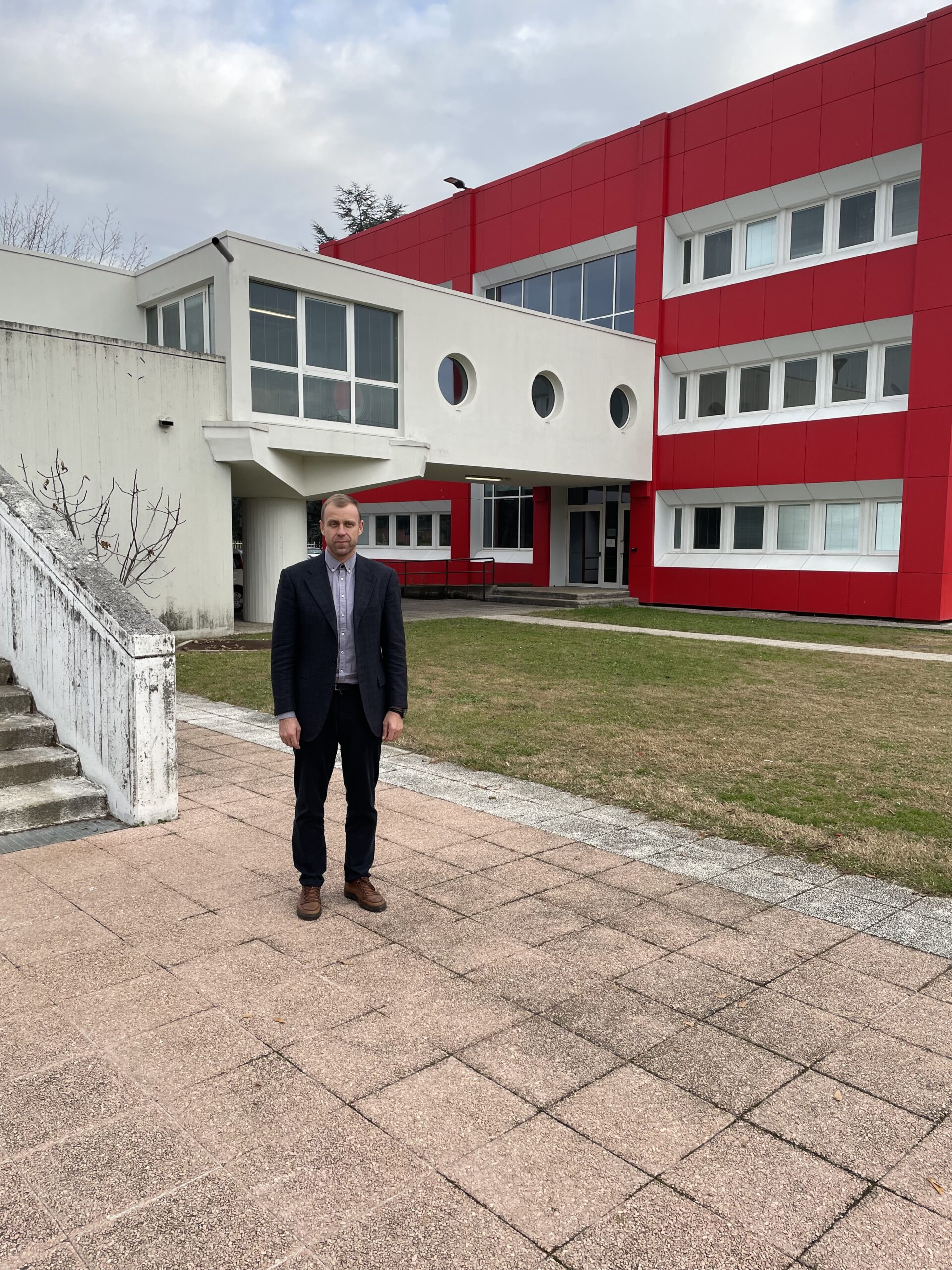
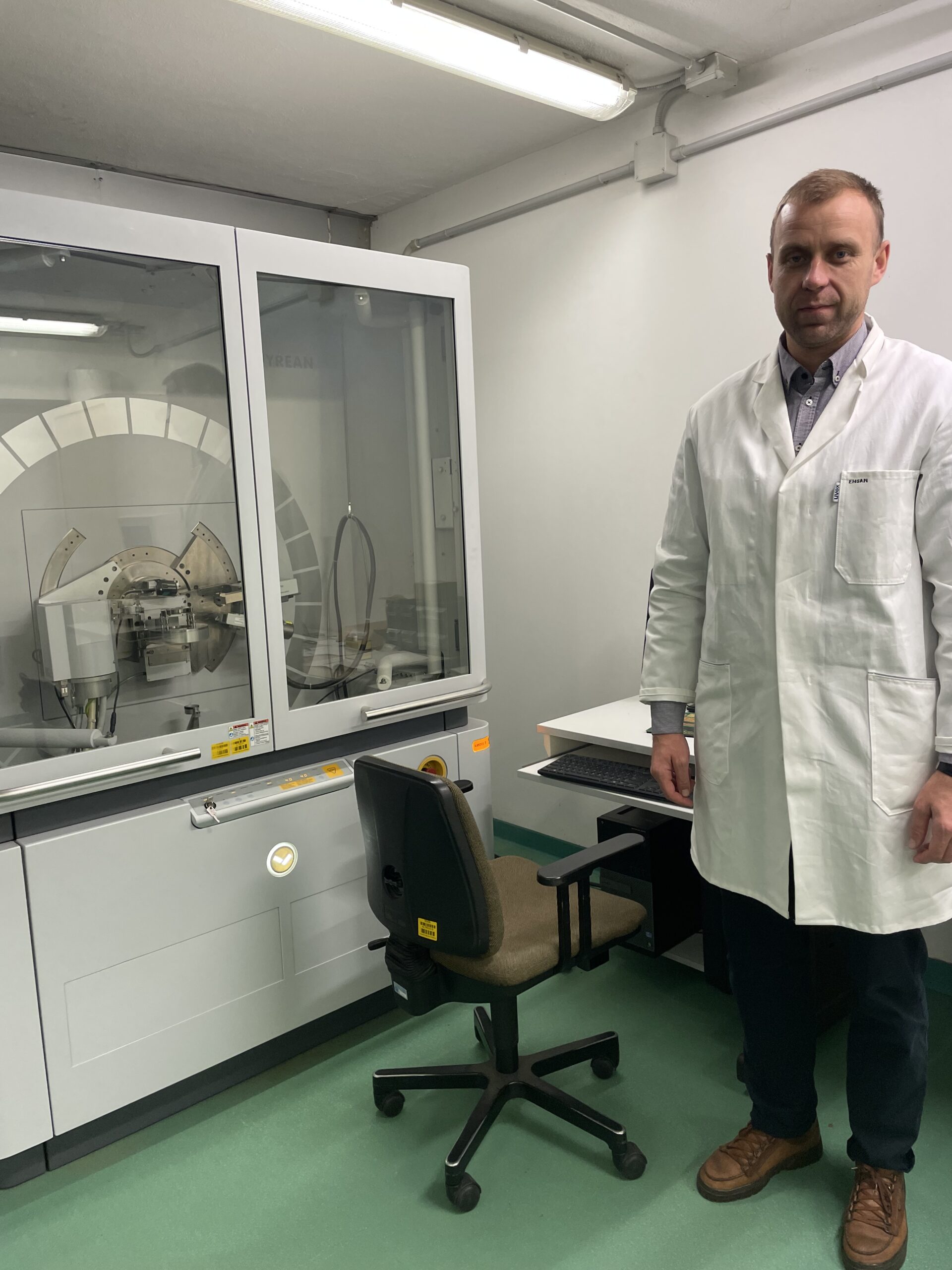
From November 25 to December 16, 2024, Pavlo Kolkovskyi, Associate Professor at the Department of Materials Science and Advanced Technologies of Vasyl Stefanyk Precarpathian National University, Senior Research Fellow at the V.I. Vernadsky Institute of General and Inorganic Chemistry of the National Academy of Sciences of Ukraine, conducted a working visit to the University of Brescia (Italy). The visit took place within the framework of the NATO project “Science for Peace and Security” (SPS NATO URANUS G6166), implemented based on a partnership agreement between the University of Brescia and Vasyl Stefanyk Precarpathian National University.
The project focuses on advancing “green” technologies, particularly developing cathode materials for solid oxide fuel cells (SOFCs). During the visit, Pavlo Kolkovskyi presented initial research results in accordance with the project plan.
Collaboration with the University of Brescia is strategically significant for Ukraine’s integration into the European research space. The development of materials for solid oxide fuel cells is especially relevant in the context of Ukraine’s energy crisis. This work contributes to clarifying Ukraine’s strategic priorities, supports European integration processes, and is part of the country’s Recovery Plan.

Scientific seminar
October 17 (Thursday) 12.00
Topic:
“Nanosized lanthanum-strontium manganite with a perovskite structure:
Synthesis, properties, prospects of use”
Reporter:
Ph.D., senior researcher, senior researcher
of the Solid State Chemistry Department of the Institute of General and Inorganic Chemistry
named after V. I. Vernadskyi of the National Academy of Sciences of Ukraine
Julia Shlapa
10.05. 2024
To popularize science among young people, participants of the G6166 project “Ultra-durable and efficient nano-engineered fuel cells (URANUS)”, which is implemented within the framework of the NATO “Science for Peace and Security programme”, took part in the 5-th Scientific Picnic. The event took place on May 10 in the city of Ivano-Frankivsk on the occasion of City Day.
Bohdan Rachii and Pavlo Kolkovskyi together with teachers and students of the Faculty of Physics and Technology of the Vasyl Stefanyk Precarpathian National University introduced the guests of the event to the unique world of science!
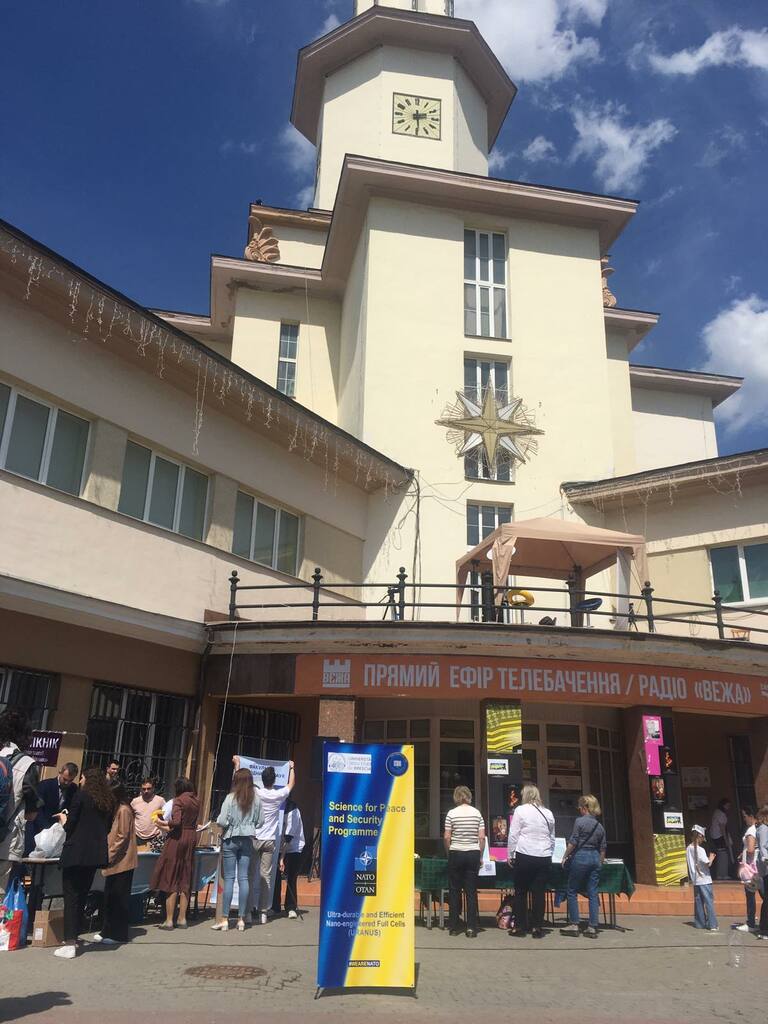
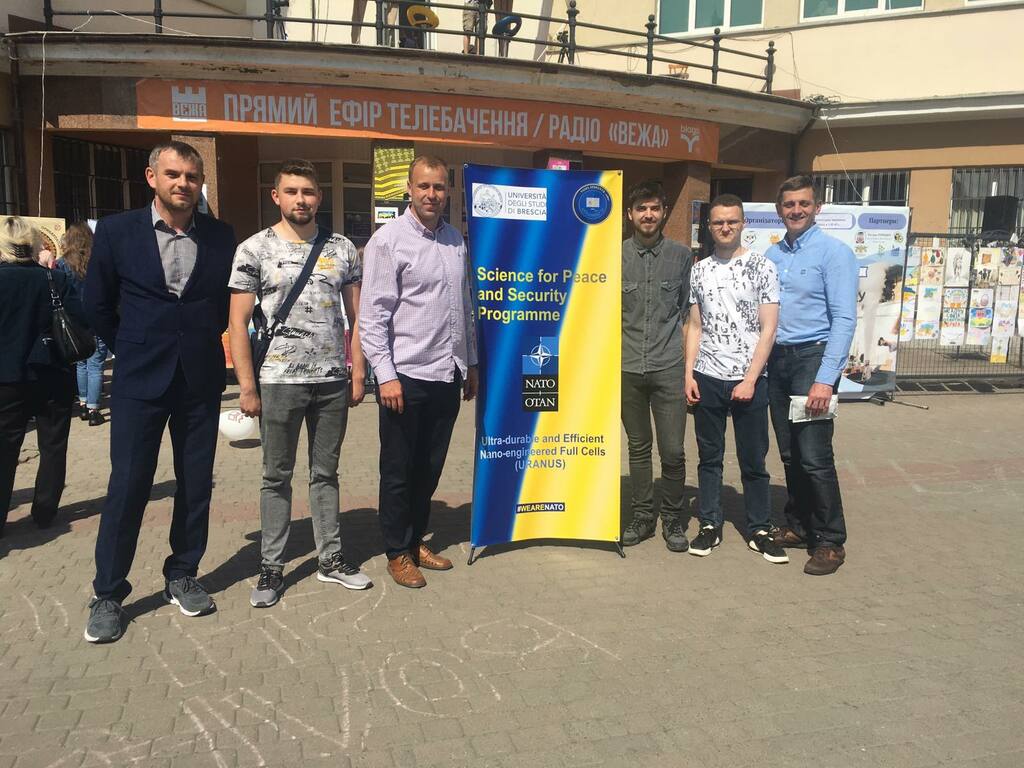
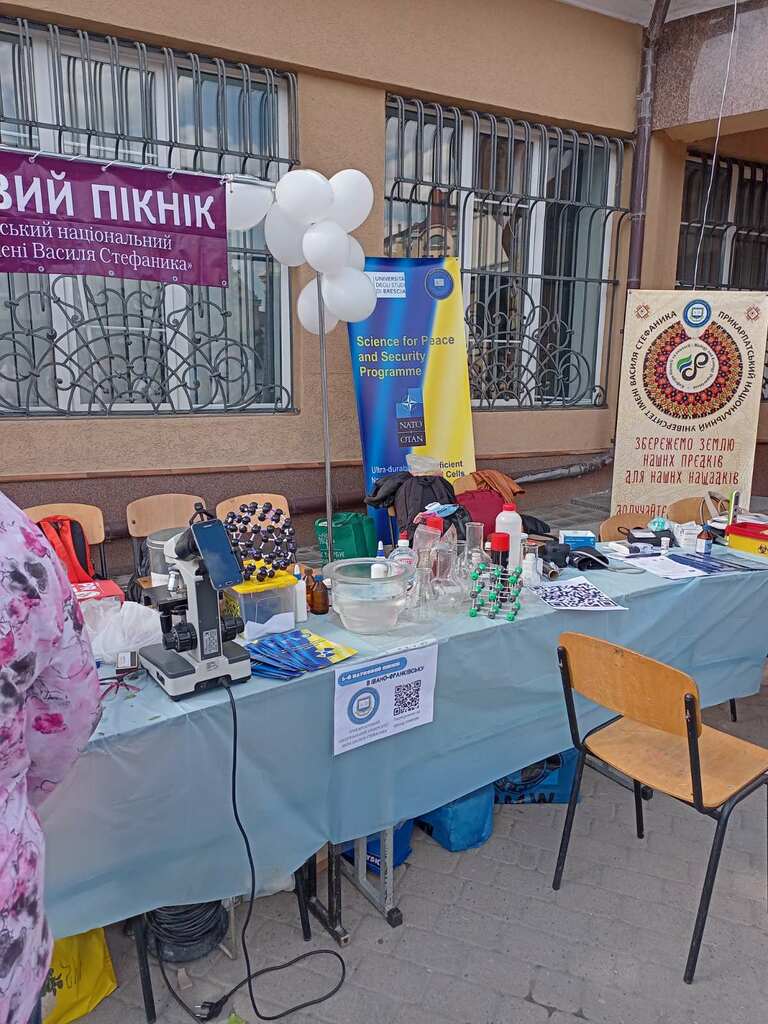
According to the result of this day and by the vote of all those willing, the Vasyl Stefanyk Precarpathian National University was recognized as the best scientific location among all those who took part in this popular science event, interesting for children and adults.
20.04.2024.
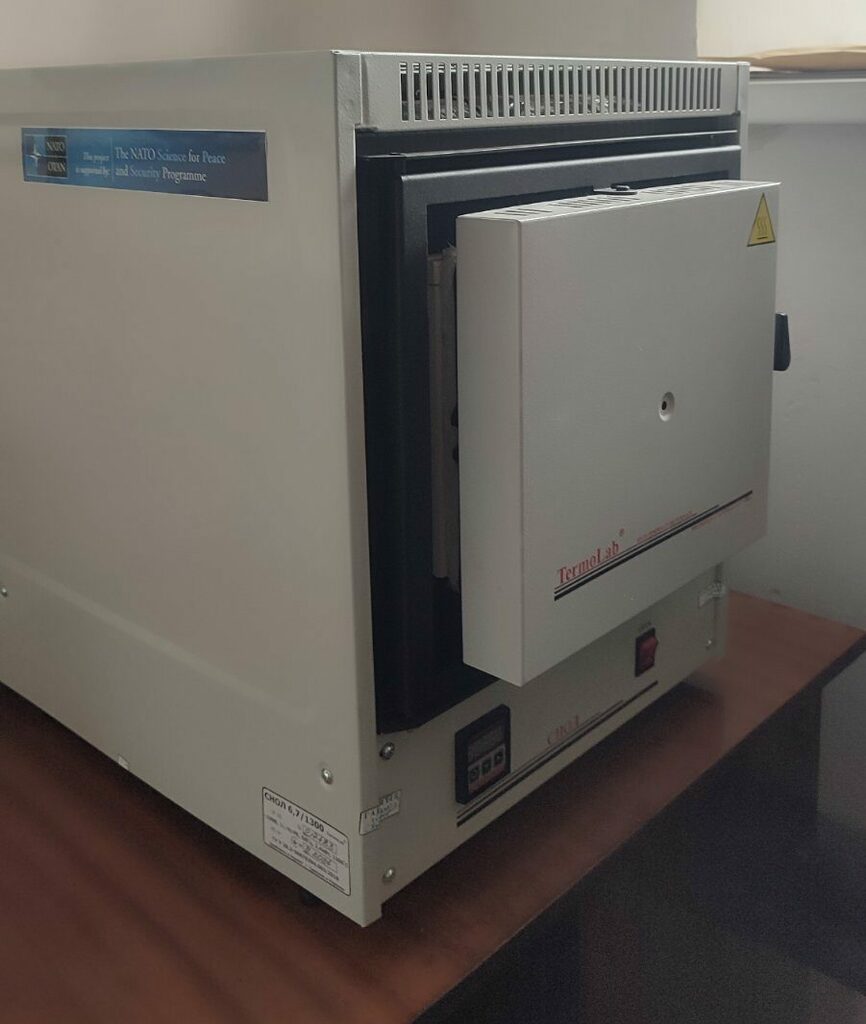
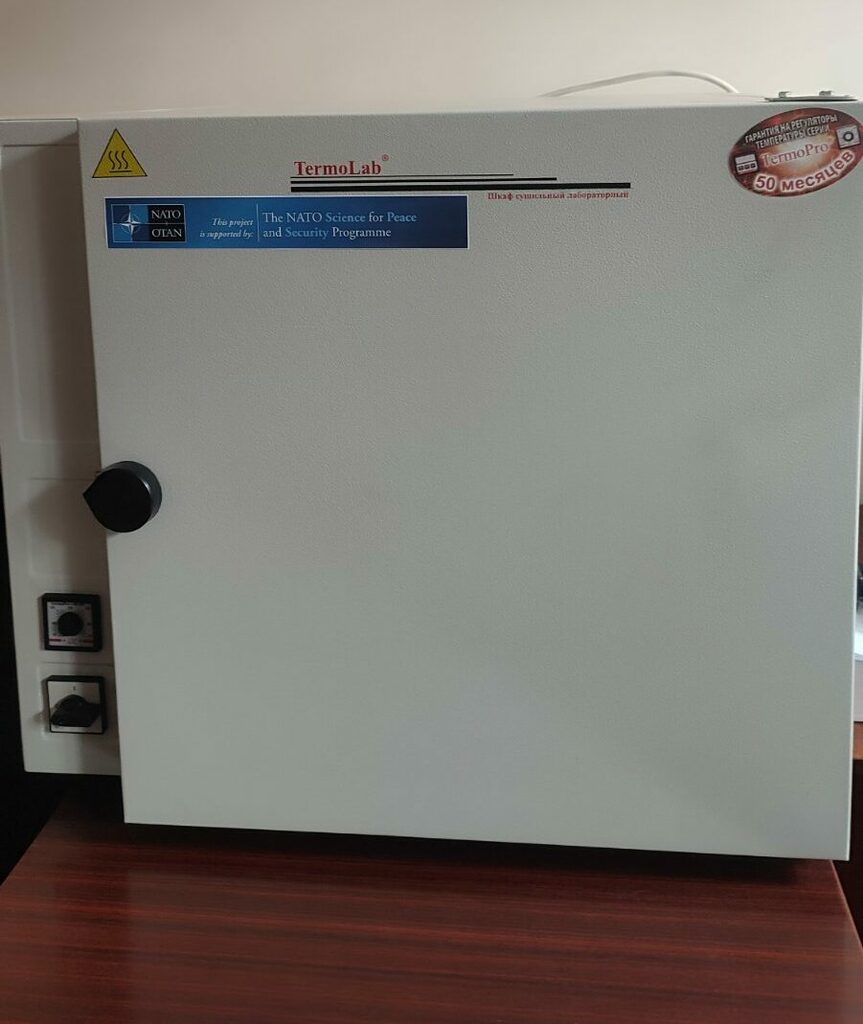
That is, during the implementation of the project “Ultra-durable and efficient nano-engineered fuel cells” (URANUS) (project number G6166), carried out the framework of the NATO “Science for Peace and Security Programme” and the signed Partnership Agreement between the University of Brescia (Italy) and the Vasyl Stefanyk Precarpathian National University (Ukraine), for the purchase of equipment that will be used for the synthesis protocol of cathode materials for fuel cells. In particular, a muffle furnace SNOL 6.7/1300, a Constant-Temperature Drying Oven SNOL 75/350, professional Balance analysis AXIS ANG220C series with automatic internal calibration, a magnetic stirrer MS7-H550-S and an Acer A5 laptop were purchased for over 200 000 UAH.

15.03.2024.
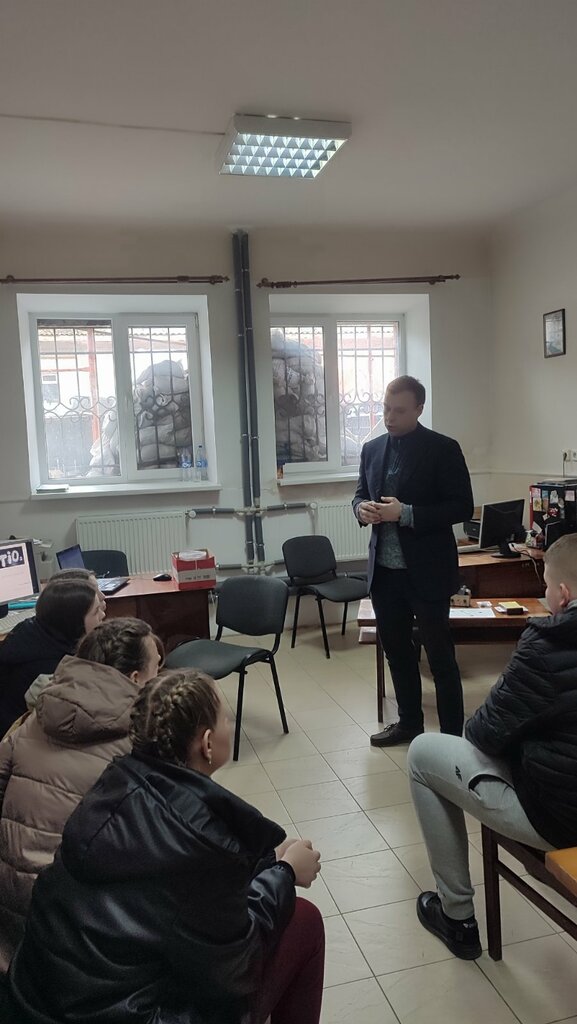
As part of the Spring School “Physics and Materials Science,” teachers from the Department of Materials Science and New Technologies, along with participants of the G6166 project “Ultra-durable and efficient nano-engineered fuel cells (URANUS),” which is carried out within the framework of the NATO “Science for Peace and Security Programme”, conducted a number of classes and seminars for university applicants. General information about the university, the Faculty of Physics and Technology, educational programs, and scientific events held at the faculty was provided by the Dean of the Faculty of Physics and Technology, Professor Ivan Gasyuk.
Then the applicants were divided into groups and continued to explore the possibilities of physics and materials science in the educational and scientific laboratories of the Department of Materials Science and New Technologies, taking turns moving to different locations. Research staff members Natalya Ivanichok and Pavlo Kolkovskyi worked with applicants at the ‘Sources and Elements of Nutrition’ site. Applicants became acquainted with the construction of supercapacitors, fuel cells, and solar power sources. Laboratory experiments titled ‘Interesting Optical Phenomena’ were conducted by Professor Bohdan Rachiy in the teaching laboratory of optics, where the phenomena of interference and diffraction of light, the application of light polarization, modeling of optical systems, and the study of microscopes, among others, were demonstrated. The meeting was interesting and full of information; the applicants gained a lot of new knowledge, emotions, and unforgettable impressions.

30.01.2024.
According to NATO Letter No. ESC(2023)0285 (SPS MYP G6166) dated 27 October 2023, based on the recommendation by the NATO Security Partnership and Cooperation Committee for the implementation of the research project “Ultra-durable and efficient nano-engineered fuel cells (URANUS)”, which is being carried out within the framework of the NATO “Science for Peace and Security Programme”, and the signed Partnership Agreement between the University of Brescia (Italy) and Vasyl Stefanyk Precarpathian National University, teachers from the Department of Materials Science and Advanced Technologies became participants in this scientific project as part of the research within the framework of project G6166.
04.12. 2023.
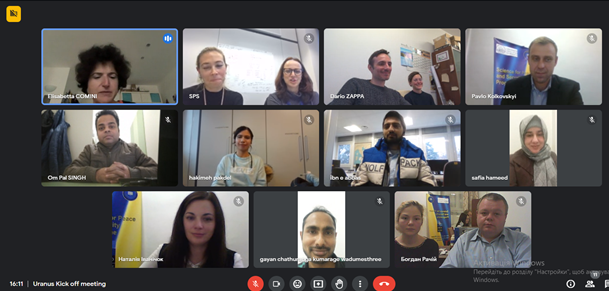
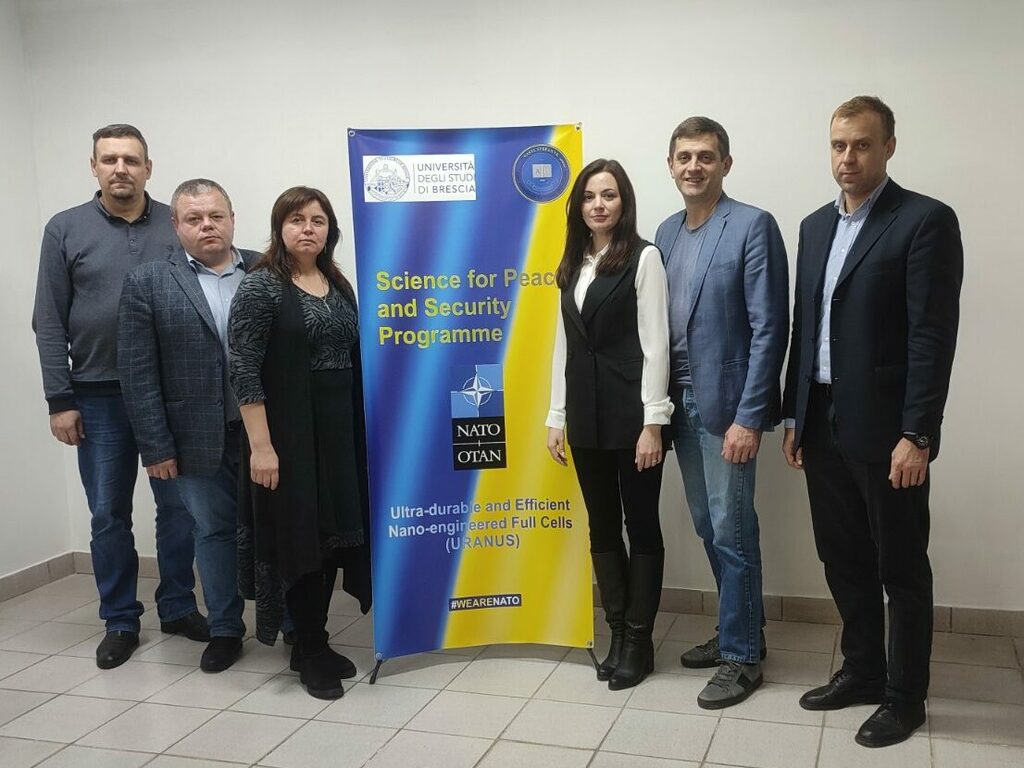
The official opening of the International scientific project “Ultra-durable and efficient nano-engineered fuel cells (URANUS)” – G6166, carried out within the framework of the NATO “Science for peace and security programme”, took place.